

Teide National Park Guide
A practical first-time guide to Teide National Park — how to reach the highlands, use the cable car, understand summit access, plan viewpoints and prepare for high-altitude conditions.
Why Teide deserves more than a quick stop
Teide National Park is the geographical and visual centre of Tenerife. The park is not just about reaching the highest point possible: the broad caldera, lava fields, Roques de García and changing light are what make the highlands memorable. Give the area enough time to stop, walk and simply look around.
Getting there is part of the experience
Roads climb into the park from both north and south. The landscape changes rapidly with altitude, moving through forest before opening into high volcanic terrain. Journey times can be longer than they look on a map because of bends, viewpoints and slower traffic, so avoid scheduling the park too tightly around another distant attraction.
Cable car and upper station
The cable car reaches La Rambleta at about 3,555 metres. From the upper station, free-access viewpoints look across different sides of Tenerife, while access to the final summit route is controlled separately. Weather and wind can affect cable-car operation, so check the current status before driving up specifically for a booked ascent.
Summit access is not the same as taking the cable car
The cable car does not take visitors directly to Teide’s crater. The final Telesforo Bravo trail is restricted and requires the appropriate park permit. If reaching the summit is a priority, organise this well in advance rather than assuming it can be added on the day.
Do not skip Roques de García and the caldera floor
Roques de García is one of the park’s easiest high-value stops, with striking rock formations and broad views across the caldera. Even visitors who do not use the cable car can have a very strong Teide day by combining the scenic drive, viewpoints and short walks around this central part of the park.
Stargazing and sunset
Teide’s high altitude and clear skies make evening astronomy one of the island’s signature experiences. Sunset and stargazing tours are useful if you would rather not manage mountain driving after dark, and they also provide context that is easy to miss when visiting independently.
High-altitude conditions
The park can be dramatically colder, windier and sunnier than the coast. Bring layers, water and sun protection even when your hotel area feels hot. Move at a comfortable pace at altitude, particularly after a rapid ascent from sea level.
Did you know?
Teide rises to 3,718 metres, making it Spain’s highest peak. The national park was inscribed as a UNESCO World Heritage Site in 2007 for its exceptional volcanic landscape and geological importance.
Best first-time plan
For a first visit, combine the scenic drive, Roques de García and several viewpoints. Add the cable car only if conditions and availability suit your day, and consider a separate evening visit if stargazing is important to you. This produces a much better experience than treating Teide as a single ticketed attraction.
Places featured in this guide
 Towns & Villages
La Orotava
A historic hillside town above the Orotava Valley, known for its noble houses and traditional Corpus Christi flower carpets.
 Nature & Forests
Montaña Blanca
Montaña Blanca is a mountain on the Canary Island of Tenerife. Its flat summit is on the eastern flank of the Pico del Teide above the edge mountains of the Las Cañadas basin, at a height of 2,748 m (9,016 ft).
 Nature & Forests
Roques de García
A striking group of eroded volcanic rock formations in Teide National Park, including the famous Roque Cinchado — the start of one of the island's most scenic short walks, with iconic views of Mount Teide.
 Volcano & TeideTickets
Teide National Park
Spain's highest peak (3,715 m) and a UNESCO World Heritage volcanic landscape at the heart of Tenerife.
On the map
Tours & experiences
Bookable tickets, tours and activities from our partners.
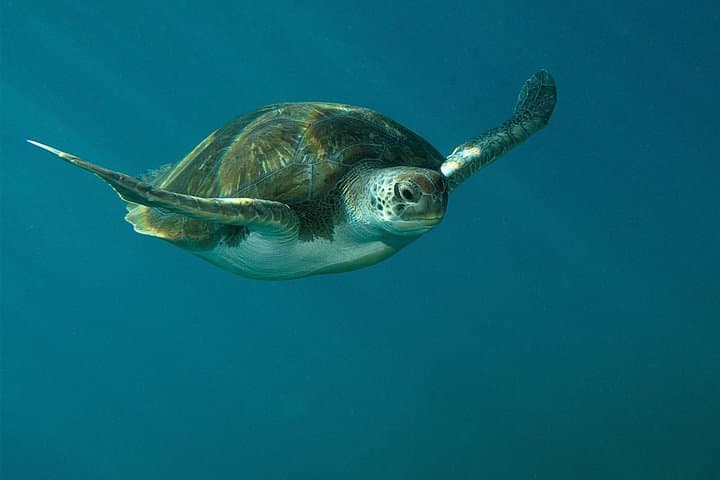
RECREATIONAL DIVE (certified divers only) : Explore Canarian Sealife
From €95
View →via Viator
Booking and payment take place securely with our partner. GoToTene may earn a commission at no extra cost to you.